Welcome to WordPress! This is a sample post. Edit or delete it to take the first step in your blogging journey. To add more content here, click the small plus icon at the top left corner. There, you will find an existing selection of WordPress blocks and patterns, something to suit your every need for content creation. And don’t forget to check out the List View: click the icon a few spots to the right of the plus icon and you’ll get a tidy, easy-to-view list of the blocks and patterns in your post.
travelsolo.blog
Just a solo traveller info site
-

-

Welcome to WordPress! This is a sample post. Edit or delete it to take the first step in your blogging journey. To add more content here, click the small plus icon at the top left corner. There, you will find an existing selection of WordPress blocks and patterns, something to suit your every need for content creation. And don’t forget to check out the List View: click the icon a few spots to the right of the plus icon and you’ll get a tidy, easy-to-view list of the blocks and patterns in your post.
-

Welcome to WordPress! This is a sample post. Edit or delete it to take the first step in your blogging journey. To add more content here, click the small plus icon at the top left corner. There, you will find an existing selection of WordPress blocks and patterns, something to suit your every need for content creation. And don’t forget to check out the List View: click the icon a few spots to the right of the plus icon and you’ll get a tidy, easy-to-view list of the blocks and patterns in your post.
-

Welcome to WordPress! This is a sample post. Edit or delete it to take the first step in your blogging journey. To add more content here, click the small plus icon at the top left corner. There, you will find an existing selection of WordPress blocks and patterns, something to suit your every need for content creation. And don’t forget to check out the List View: click the icon a few spots to the right of the plus icon and you’ll get a tidy, easy-to-view list of the blocks and patterns in your post.
-
Visiting Manchester as a solo tourist is an exhilarating experience that can leave you with unforgettable memories. The city, known for its rich industrial heritage and vibrant culture, is a treasure trove for solo travellers looking to explore a dynamically diverse urban environment. From the moment you set foot in Manchester, the atmosphere wraps around you like a warm embrace, making you feel both welcomed and excited about the adventures that lie ahead.
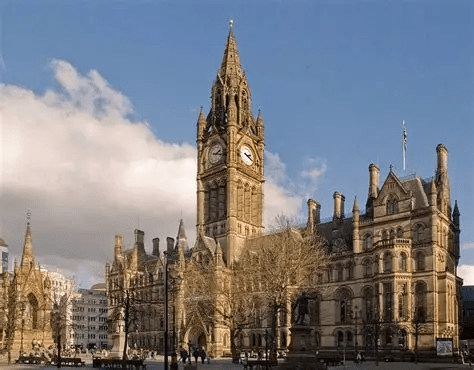
One of the first things that catches the eye in Manchester is its architecture. The juxtaposition of historical buildings and modern designs creates a distinctive skyline that tells the story of the city’s evolution. Be sure to visit placeholders for iconic landmarks such as the Town Hall(Peter Square), which showcases stunning neo-Gothic architecture, and the impressive Beetham Tower(Deansgate), standing tall as a symbol of contemporary Manchester.

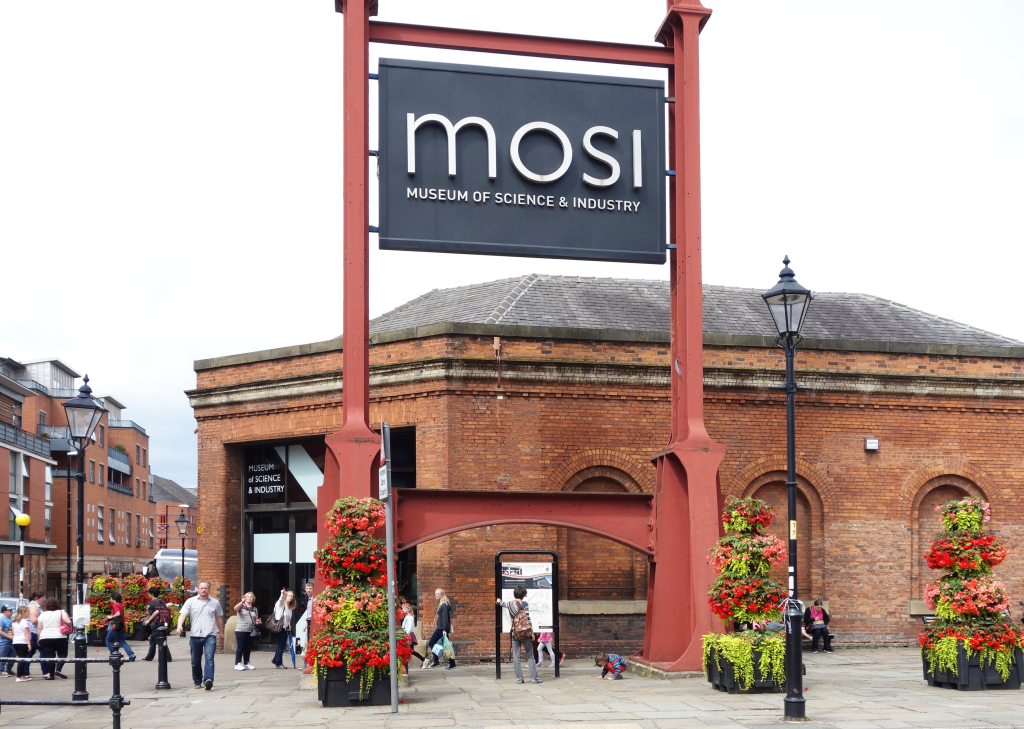
As a solo traveller, you have the unique opportunity to immerse yourself in the culture without the distractions of a group. Manchester is home to a variety of museums and galleries that cater to diverse interests. The Museum of Science and Industry (off Liverpool Street) is a must-visit, offering an interactive journey through Manchester’s storied past as the heart of the Industrial Revolution. You can easily spend a few hours exploring the exhibits, including vintage vehicles and steam engines, as well as enjoying hands-on activities that appeal to visitors of all ages.
Art enthusiasts should make their way to the placeholders, which feature a wide array of contemporary art installations and exhibitions that showcase both local and international talent. The spacious galleries provide an ideal setting to appreciate the creativity and imagination of artists, all while allowing for moments of quiet reflection.
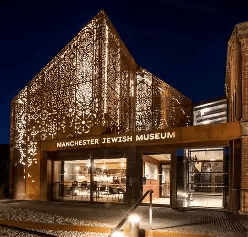
For those who appreciate history, the Manchester Jewish Museum (Cheethamhill Hill Road) offers insight into the rich heritage and contributions of the Jewish community to the city. Housed in a beautifully restored synagogue, the museum provides a personal and intimate experience, making it an excellent stop for solo visitors seeking a deeper understanding of the city’s diverse cultural fabric.
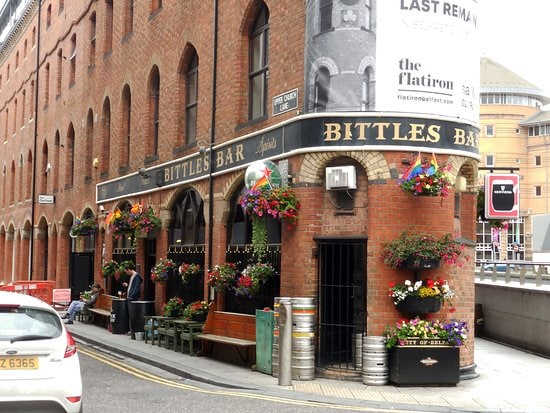
After stimulating your mind with visits to museums, you’re likely to want to refuel with some delicious food. Fortunately, Manchester has no shortage of incredible dining options. The city is famous for its diverse culinary scene, reflecting the multicultural nature of its residents. From traditional British pubs to contemporary eateries, there’s something for everyone.
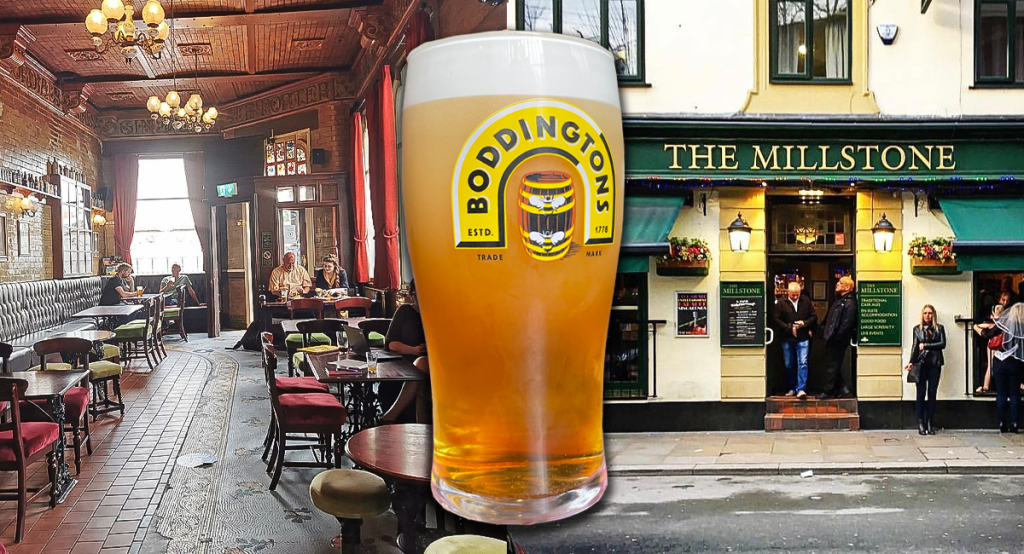
Don’t miss out on trying local delicacies like the Manchester tart, a delicious pastry with custard and raspberry jam, or head to Placeholder for authentic British fish and chips. As a solo traveller, dining out can be an opportunity to meet new people. Consider visiting bustling food halls like Placeholder, where you can savour a variety of cuisines while enjoying the lively atmosphere and striking up conversations with fellow food lovers.
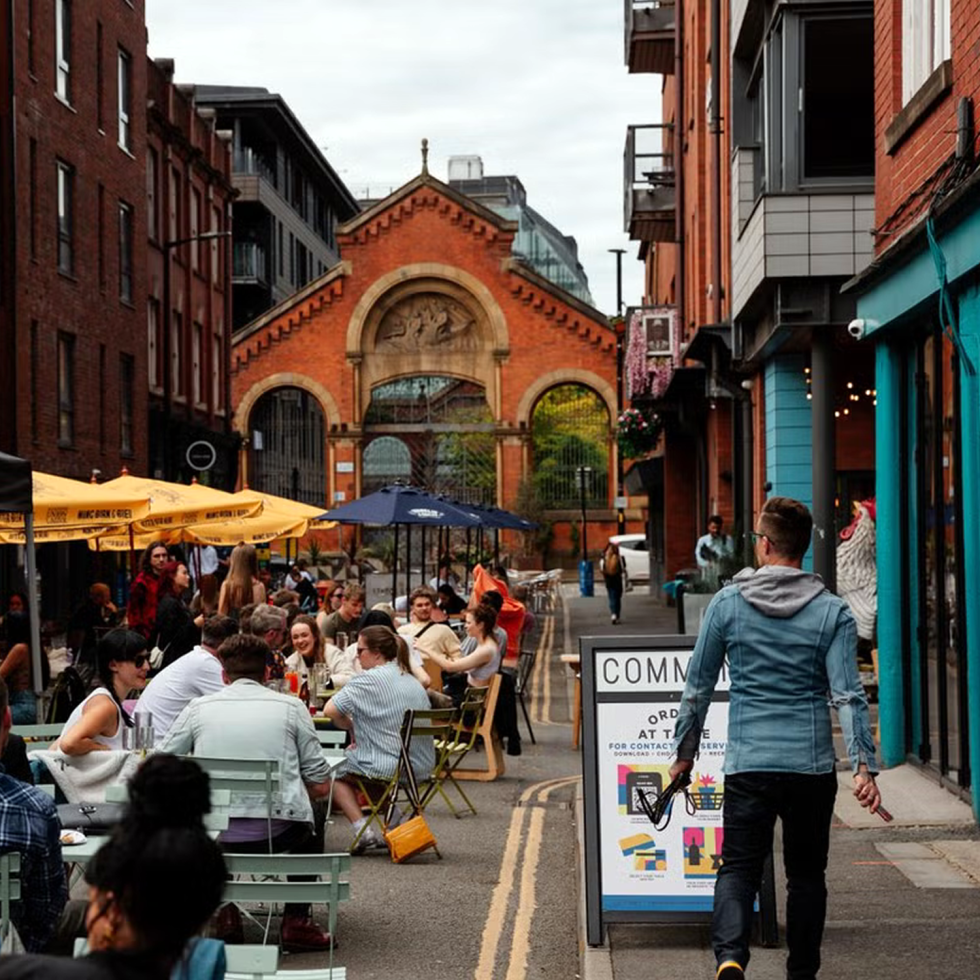
Exploring Manchester on foot is one of the best ways to discover its hidden gems. The city’s compact size means you can easily navigate between different neighbourhoods. Take a stroll through the Northern Quarter, known for its bohemian vibe, quirky shops, and street art. This area is an artist’s paradise, filled with independent boutiques where you can find unique souvenirs and vintage items. Solo travellers can appreciate the creative spirit of Manchester here, perhaps stopping by a cosy café for a cup of coffee and people-watching.
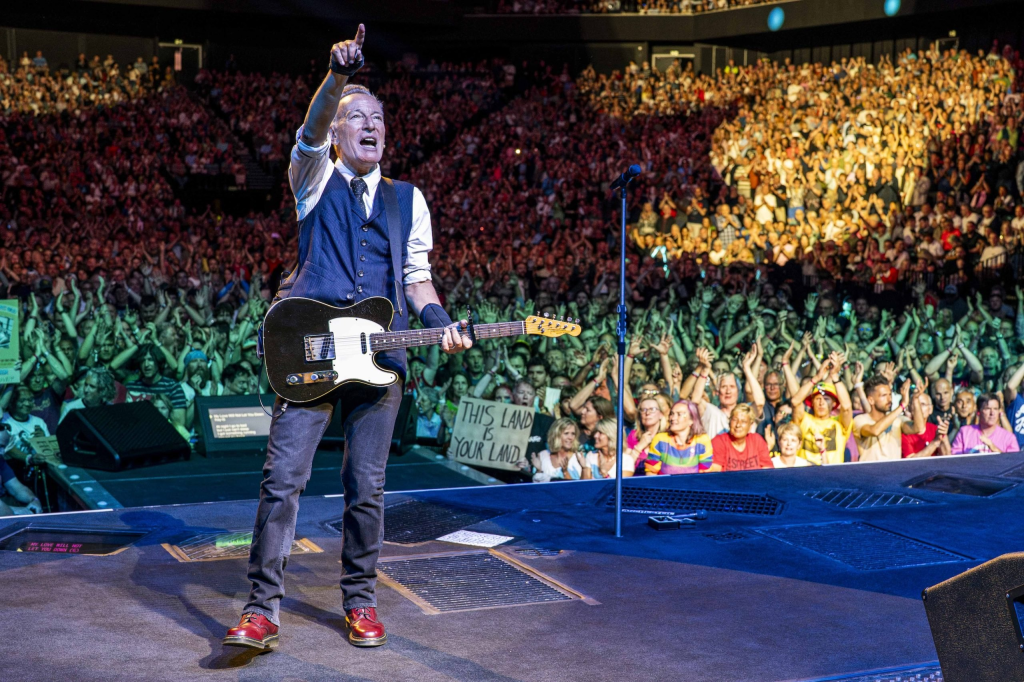
Another exciting aspect of visiting Manchester is its thriving music scene. The city has produced numerous legendary bands, and there’s always something happening, whether it’s a small gig at a local pub or a large concert at venues like Placeholder Band on a Wall, Swan St. Check to find out about live performances during your stay. Attending a show alone can be empowering, and you might even meet fellow music enthusiasts who share your taste.
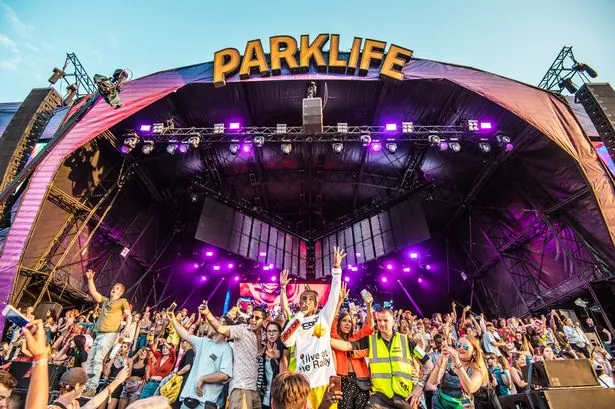
As night falls, Manchester comes alive with a vibrant nightlife. From craft beer bars to dance clubs, the city offers plenty of options for solo travellers looking to experience evening entertainment. The Gay Village, located around Canal Street, is exceptionally welcoming, with a diverse range of venues catering to all tastes. Whether you’re up for a lively night of dancing or a more relaxed evening in a stylish bar, you’ll find the perfect spot to unwind after a day of exploring.
For those looking to enjoy some tranquillity amidst the urban hustle, Manchester boasts several parks and green spaces. Places like Heaton Park and Fletcher Moss Botanical Garden provide a peaceful retreat where you can take a walk, read a book, or have a picnic. These areas are perfect for solo travellers who want to escape the city’s hustle and bustle for a while.
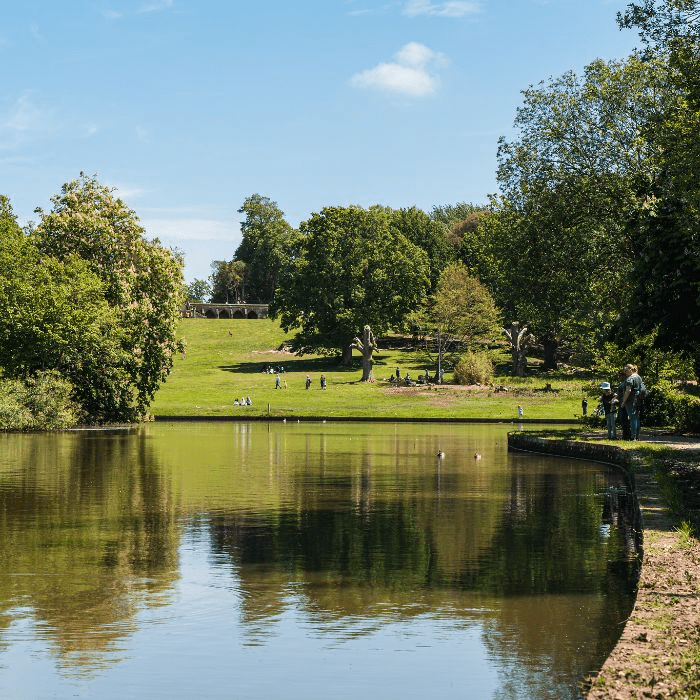
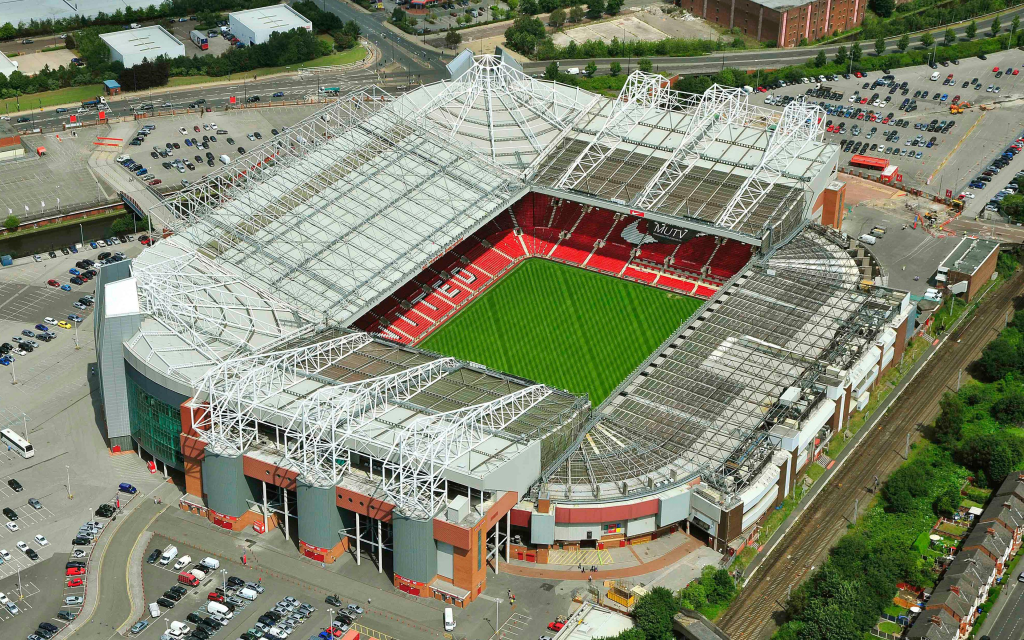
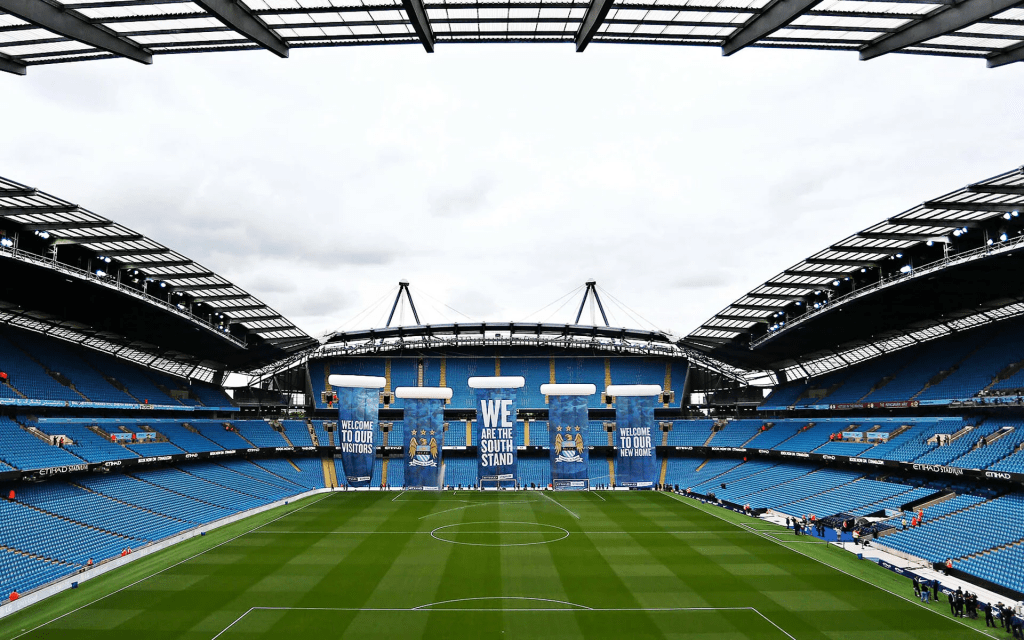
Manchester stands out as a cultural and sporting powerhouse. Home to two of the best football clubs in the world, Manchester United and Manchester City, it’s a paradise for football enthusiasts. The atmosphere around their iconic stadiums is electric, with fans regularly paying homage to these hallowed grounds. For those who love to shop, the Trafford Centre is a must-visit. As one of the biggest shopping malls in Europe, it offers everything from high-end brands to quirky boutiques. You could easily lose track of time here, exploring the vast array of shops, restaurants, and entertainment options—truly a shopper’s dream! Don’t forget to explore Media City in Salford Quays.
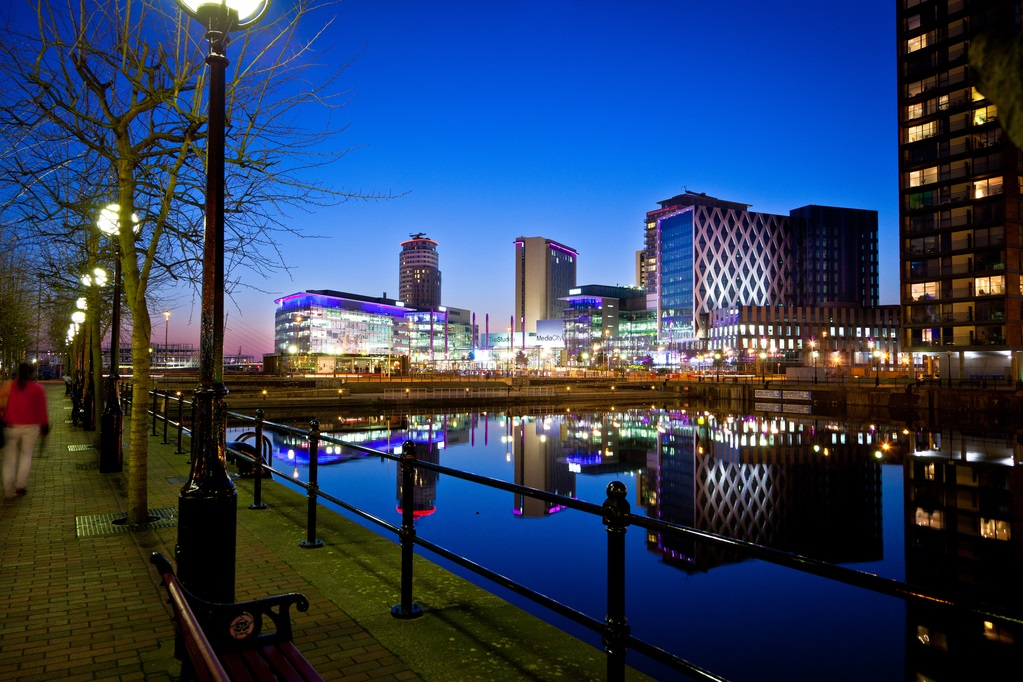
This vibrant hub is home to major broadcasters like BBC and ITV, and it’s an exciting place to glimpse behind the scenes of the media industry. The area also boasts a picturesque canal that stretches to Liverpool, perfect for a leisurely summer cruise. Whether you’re a sports fan, a shopping enthusiast, or someone who enjoys cultural experiences, Manchester has something special for everyone. So, pack your bags, and get ready to discover the charm of this incredible city!
Connecting with locals can enhance your experience, making the city feel more like home. Join group walking tours or local events to get insights and stories that only residents can offer. This is also a great way to meet other solo travellers and make new friends.

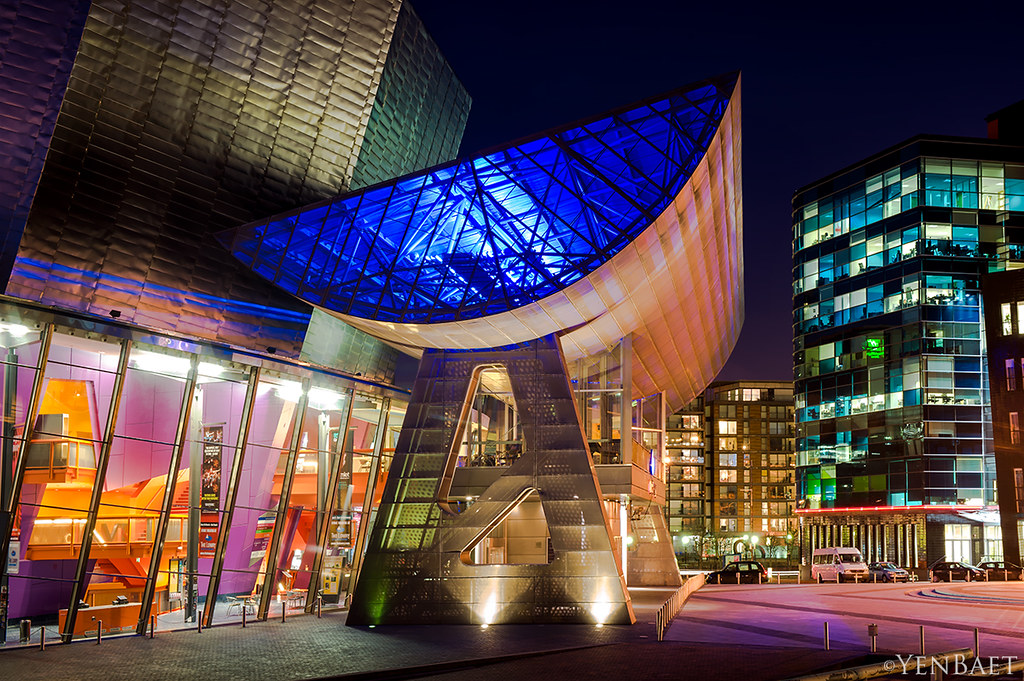
In conclusion, Manchester is a fantastic destination for solo tourists, offering a mix of culture, history, food, nightlife, and natural beauty. The city’s warm and welcoming atmosphere allows for a sense of safety and comfort, making it easy for anyone to explore on their own. With countless attractions and experiences waiting to be discovered, your solo trip to Manchester is sure to be a rewarding adventure that will captivate your heart and leave lasting memories.
-
The recent remarks made by a prominent political figure regarding the relative achievements of Nigeria’s late president and the current administration have sparked significant debate about leadership and legacy. The claims made by this former governor are not just misplaced but also serve as an opportunity to examine the striking double standards of political actors like Rotimi Amaechi. As someone who holds a significant position in Nigerian politics, Amaechi’s tenure as the transportation minister under the Buhari administration was a disaster, particularly when one assesses the so-called accomplishments he touts today.
Before Amaechi took on the role of transportation minister, he appeared on CNN to share his fervent belief in President Buhari’s capabilities. He painted a vivid picture of Buhari as a formidable leader, recalling how the military president had once tackled jihadists, pushing them to Chad, and quelling the notorious Maitasine riots of 1982. “Boko Haram?” Amaechi declared confidently. “That’s just child’s play for Buhari! He’ll rid Northern Nigeria of them in no time.” He even made bold promises that, if re-elected, Buhari would make the Naira equivalent to one dollar. Fast forward to today, and the reality of Buhari’s two terms as president has made us all take a closer look at those declarations and wonder how they unfolded.
Now, let’s consider Amaechi’s time in office. Serving for a remarkable eight years, he was expected to bring substantial advancements to the transportation sector, which is crucial for economic development. However, upon reviewing the impact of his policies and initiatives, it becomes apparent that a notable lack of progress marked his tenure. One might wonder: how can someone who held a position of power for so long be so removed from tangible results? Despite promises of infrastructural development, upgrades to transportation networks, and enhanced national connectivity, many of the projects he advocated during his time seemed to remain on paper, garnering little more than political rhetoric.
What is particularly striking about Amaechi’s comments regarding former President Buhari is the irony of his critique. During his two terms, Buhari was often criticised for various failures, including the economy’s stagnation, worsening security conditions, and rampant corruption. Yet, Amaechi now stands as a herald for the accomplishments attributed to Buhari, conveniently disregarding his lack of impactful policies while serving in an executive role. Is this an attempt to reinvent history for political capital?
Amaechi’s previous leadership position should have been an opportunity for him to demonstrate what effective governance looks like, especially in a diverse and challenging environment like Nigeria. Instead, he seems more intent on pointing fingers and embracing a narrative that suits his aspiration for a comeback in the political arena. His failure to acknowledge his role during President Buhari’s administration reflects a disconcerting trend among political elites who often seek to rewrite their legacy rather than accept accountability.
Moreover, the ongoing rivalry between Amaechi and his political adversary, Nyesom Wike, provides further context to this narrative of double standards. As both politicians vie for relevance within the political landscape, it is evident that their actions are often driven more by a desire for personal gain than by a genuine commitment to their constituents. The former minister’s critiques of the current administration, while politically motivated, seem crafted to undermine Wike and position himself strategically against perceived threats within his party. This behavior illustrates a self-serving nature, where political machinations take precedence over the urgent needs of the populace.
In reflecting on corruption, another area of concern during both Buhari’s and the current administration’s period in office, Amaechi’s claim to legacy can be viewed even more skeptically. Corruption remains a pervasive issue in Nigeria, undermining progress and perpetuating economic hardships for the citizens. Amaechi, in his critiques, must confront the paradox of his history. If he is genuinely concerned about societal issues, how does he reconcile his decisions and actions as a minister during an era marred by corruption? The disconnect between his words and actions is unsettling, leading many to question his intentions and sincerity.
The phrase, “Fool me once, shame on you; fool me twice, shame on me,” resonates powerfully in the context of Amaechi’s current political maneuverings. The Nigerian populace is growing increasingly discerning, and the attempts by politicians like Amaechi to regain trust after years of disappointing leadership are met with skepticism. The electorate remembers those in power who failed to deliver on their promises and acted without accountability. Amaechi’s rush to distance himself from past failures while seeking to return to power seems disingenuous at best.
As Nigeria navigates the complexities of its political landscape, the importance of credible leadership cannot be overstated. Political figures must engage in self-reflection and own their legacies rather than deflecting blame onto others. Politics should not merely be a game of strategic positioning and personal ambition; it should be a rigorous commitment to serving the people and fostering genuine change.
Moving forward, it is crucial for politicians like Rotimi Amaechi to face the reality of their past and take responsibility for their actions. Genuine leadership involves acknowledging shortcomings, learning from them, and striving to contribute positively to the nation’s advancement. Nigerian citizens deserve leaders who are transparent, accountable, and focused on the common good—not individuals bent on self-serving political aspirations. By demanding better, Nigerians can work toward a more sustainable and equitable future, free from the cycle of double standards and empty rhetoric.
Nigerian voters must play a crucial role in shaping the future of the nation, and their decisions at the polls, if allowed to stand, have far-reaching implications for governance and development. With a population exceeding 200 million, Nigeria is not only the largest country in Africa by population but also one of the most diverse, comprising various ethnicities, religions, and cultures. This demographic complexity adds layers to the voting landscape, as different groups often have distinct aspirations and grievances that inform their electoral choices.
Historically, Nigerian voters have been subject to a myriad of influences, ranging from political party dynamics to regional affiliations and economic conditions. The interplay of these factors creates a unique voting behavior that can be both unpredictable and revealing. In recent elections, however, there has been a noticeable shift in the mentality of Nigerian voters, particularly among the youth. This demographic, which represents a substantial portion of the electorate, is increasingly demanding accountability, transparency, and genuine progress from their leaders.
However, challenges remain. The electoral process in Nigeria has often been marred by issues such as voter suppression, rigging of ballot boxes, electoral violence, and corruption. These challenges undermine the integrity of the democratic process and create distrust among voters. Many Nigerians, disillusioned by unfulfilled promises from past administrations, express skepticism about the motives of political candidates. This sentiment underscores the critical need for greater transparency and reforms in the electoral system to restore faith in the democratic process.
As Nigerian voters head to the polls in 2027, they wield significant power. The collective decision-making of the electorate can either pave the way for transformational leadership or perpetuate cycles of ineffective governance. The onus lies not only on the political class to present viable options and hold free and fair elections, but also on voters to engage in the democratic process actively. This includes being informed about candidates’ backgrounds, policies, and past performances, as well as understanding the broader political context.
In summary, the agency of Nigerian voters is vital for the country’s democratic future. Their commitment to making informed choices will shape governance, ensuring leaders remain accountable to the people they serve. The collective action of the electorate is key to Nigeria’s progress and the integrity of its democracy.
 travelsolo.blog